Your First Home Starts Here: A Guide to the FHSA
An FHSA guide for first-time buyers and the parents who want to help.
Why the FHSA
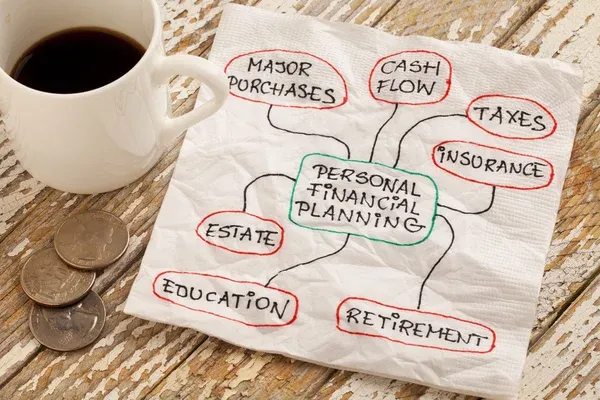
The First Home Savings Account (FHSA) combines the best of an RRSP and a TFSA: a tax deduction when you put money in, and no tax when you take it out to buy your first home.
- $8,000 a year you can contribute, up to $40,000 over your lifetime.
- $100,000 per buyer when you pair the FHSA with the RRSP Home Buyers’ Plan.
- ~$400K average home price in the Fredericton area. 5% down is about $20,000.
Sources: Canada Revenue Agency; New Brunswick REALTORS / CREA, May 2026.
How it works
Tax deduction
Contributions lower your taxable income, like an RRSP. You can claim them now or save the deduction for a higher-income year.
Tax-sheltered
Interest, dividends and growth are not taxed while they stay in the account.
Tax-free
Withdraw it all for a qualifying first home, with nothing to pay back, unlike the Home Buyers’ Plan.
Who can open one
- A resident of Canada.
- At least 18 (the age of majority, 19, in New Brunswick) and under 72.
- A first-time buyer: you haven’t lived in a home you or your spouse owned this year or in the past 4 years.
- Up to 15 years: you can hold an FHSA for up to 15 years.
Open it now, even with a small deposit. Room only starts building once the account is open. Unused room carries forward, up to $8,000, so you could put in as much as $16,000 next year.
Make the most of it
- Tip 1: Open early. Room starts the year you open. Open now, even if you buy years from today.
- Tip 2: Time the deduction. Early in your career? Save the deduction for a year when your income, and tax rate, is higher.
- Tip 3: Stack your plans. Use the FHSA first, then add up to $60,000 from your RRSP through the Home Buyers’ Plan.
- Tip 4: Buy as a couple. Each partner can have an FHSA, so a couple can bring up to $80,000.
For parents and grandparents
Want to help a son, daughter or grandchild into their first home? The FHSA is one of the most tax-efficient ways to do it.
- Give the deposit. Gift money to your adult child or grandchild to put in their own FHSA. They get the tax deduction.
- Help every year. Gifting $8,000 a year over five years fills the account to $40,000, plus growth.
- Start the conversation. Many young adults haven’t heard of the FHSA. Opening the account is the most important first step.
If plans change, nothing is lost. Money you don’t use for a home can move to an RRSP or RRIF tax-free, without using any RRSP room.
Getting started checklist
- Confirm you qualify as a first-time buyer.
- Open your FHSA this year to start building room.
- Set up automatic deposits of about $667 a month to reach $8,000.
- Decide when to claim each year’s deduction.
- Check your RRSP balance for the Home Buyers’ Plan.
- Plan your purchase timeline with me and your mortgage broker.
FHSA and Home Buyers’ Plan
To take your FHSA money out tax-free, a few things need to line up at the time of the withdrawal.
- FHSA: Up to $40,000 plus growth. Withdrawals are tax-free and never repaid.
- Home Buyers’ Plan: Borrow up to $60,000 from your RRSP tax-free, then repay it over 15 years.
When you’re ready to buy
- You’re still a first-time buyer when you withdraw.
- You have a written agreement to buy or build, closing before October 1 of the next year.
- The home is in Canada and you plan to live in it within a year.
- You live in Canada from the withdrawal until you buy.
Protect your new home, too. A mortgage is likely your biggest debt. Life, disability and critical illness insurance can make sure the payments are covered if you pass away, become disabled or face a serious illness.
Let’s plan your first home
Whether you’re buying next year or five years from now, I’ll help you open your FHSA and build a plan to get the keys.
Book a conversation with Michael, or call the office at 506-406-6100 (cell 506-440-6196). Email: [email protected]. Ask for a printed copy of this brochure at your next meeting.
For general information only; not tax or legal advice. FHSA and Home Buyers’ Plan rules are set by the Government of Canada and can change. We’ll review the details that apply to you together.