Retirement Planning
Retirement Planning in Atlantic Canada: The Complete Guide to Your Financial Roadmap
If you've searched "retirement planning" or "how much do I need to retire," you've probably found a lot of generic rules of thumb and not much that actually applies to your situation. Retirement planning isn't just a savings target. It's a roadmap for how your pensions, government benefits, savings, and expenses actually turn into income you can count on, year by year, from now until age 100.
This guide covers the building blocks of a retirement plan, the 2026 numbers behind RRSPs, TFSAs, CPP, and OAS, and how a local advisor builds an actual cash flow roadmap rather than a one-time recommendation.
What Is Retirement Planning, Really?
Retirement planning is often reduced to a single question: how much have you saved? But a real plan is about more than an account balance. It's about how pensions, assets, government benefits, and expenses fit together, and how that combination holds up against inflation over a retirement that could easily last 30 years or more.
That means retirement planning touches CPP and OAS timing, RRSP and TFSA strategy, RRIF conversion rules, tax-efficient withdrawal order, and increasingly, insurance-based tools that protect income and manage risk. Treated separately, these decisions can work against each other. Treated together, they form an actual plan.
RRSP, TFSA, CPP, and OAS: The Building Blocks
A few numbers changed for 2026, and they're worth knowing if you're actively planning:
RRSP: The 2026 contribution limit is $33,810, or 18% of your 2025 earned income, whichever is lower. Contributions are tax-deductible now; withdrawals are taxed as income later. Unused room carries forward indefinitely.
TFSA: The 2026 annual limit is $7,000. Unlike an RRSP, TFSA withdrawals are never taxed, and any amount you withdraw is added back to your contribution room the following calendar year.
CPP: The standard age to start is 65, with a maximum monthly pension of $1,507.65 as of January 2026 (the average recipient gets considerably less, around $877.01/month). Starting as early as 60 permanently reduces your pension by 0.6% per month, up to 36% less. Delaying as late as 70 permanently increases it by 0.7% per month, up to 42% more.
OAS: Also starts at 65, with a maximum monthly payment (January to March 2026) of $743.05 for ages 65 to 74, rising to $817.36 at 75 and older. OAS can also be deferred to age 70 for a permanent increase of up to 36%. Unlike CPP, OAS eligibility is based on Canadian residency, not contributions.
RRIF: Your RRSP must convert to a RRIF, or an annuity, by December 31 of the year you turn 71. Minimum withdrawals begin the year after conversion, and the required percentage increases as you age.
The OAS Clawback and Tax-Efficient Withdrawal Order
Two details catch people off guard more than almost anything else in retirement income planning.
The first is the OAS clawback, officially the OAS recovery tax. For 2026, it begins once your net income passes $95,323, and above that threshold, your OAS is reduced by 15 cents for every dollar of income over the line. At higher income levels, roughly $155,000 for those 65 to 74, OAS can be reduced to zero. Couples can sometimes manage this through pension income splitting, allocating up to half of eligible pension income to the lower-income spouse to help keep both partners under key thresholds.
The second is withdrawal order: which account you draw from first, and when. Because TFSA withdrawals aren't taxed and RRIF withdrawals come with mandatory minimums, the sequence you draw down your accounts in can meaningfully change how much tax you pay over the course of retirement. There's rarely one universal right answer. The right order depends on your income sources, your age, and what else you're drawing from.
Your Financial Roadmap: Cash Flow From Now to Age 100
The most useful output of retirement planning isn't a single number. It's a roadmap.
Using professional financial planning software, a complete retirement plan brings your pensions, assets, government benefits, expenses, and inflation together into one projection, showing your cash flow year by year, from today until age 100. Instead of guessing whether your plan holds up over a 30-plus year retirement, you can actually see it modeled out, including how decisions like CPP timing or RRIF withdrawals affect the picture decades from now.
It's worth being clear about what this roadmap does and doesn't include. It incorporates your RRSP, TFSA, and pension balances as part of the full financial picture, but it isn't the same as managing those investment accounts directly, which typically stays with your investment advisor or financial institution. The roadmap is where everything comes together: what you have, what you'll receive from government programs, what you'll spend, and how it all holds up over time.
Working With a Local Advisor
Setting up a real retirement plan involves genuine decisions: when to start CPP, whether to defer OAS, how to sequence withdrawals, and how insurance-based tools like segregated funds, annuities, or permanent life insurance might fit alongside everything else.
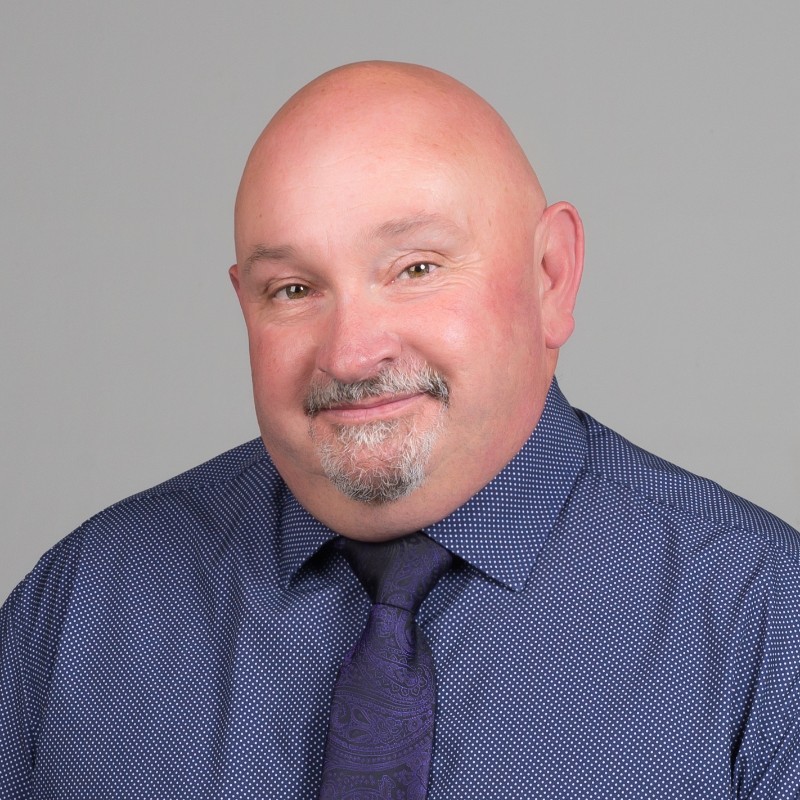
Mike Plume is a licensed financial advisor based in Fredericton, NB, serving clients across New Brunswick, Nova Scotia, and PEI, with 15 years of experience building retirement plans for Atlantic Canadians. Using professional financial planning software, Mike builds a complete roadmap, not a one-time recommendation, and stays involved as your plan and your life continue to change.
Frequently Asked Questions
How much money do I actually need to retire? There's no single number that applies to everyone. It depends on your expected expenses, your government benefits, your pensions and savings, and how long your retirement needs to last. A real plan calculates a target based on your actual situation, not a generic rule of thumb.
Should I take CPP at 60, 65, or 70? It depends on your health, your other income, and how long you expect to need the money. Taking it early permanently reduces your payment; delaying it permanently increases it. There's no universally right age, only the one that fits your circumstances.
What is the OAS clawback, and will it affect me? It's a recovery tax that reduces your OAS once your net income passes $95,323 for 2026. It mainly affects higher-income retirees, but pension income splitting and withdrawal timing can help manage it.
Do you manage my RRSP and TFSA investments directly? Mike builds your full financial roadmap, incorporating your RRSP, TFSA, and pension balances alongside CPP, OAS, and expenses. The underlying investment accounts themselves are typically managed by your investment advisor or financial institution, and Mike works alongside them to keep the full picture coordinated.
Is retirement planning only for people close to retirement, or people with a lot saved? No. The earlier a plan is built, the more decisions it can actually influence, and understanding CPP timing, contribution limits, and withdrawal order matters at every income level, not just for large portfolios.
Ready to See Your Roadmap?
Retirement planning is about more than a savings number. It's about seeing exactly how your income holds up, year by year, for the retirement you're actually planning for.
Mike Plume is a licensed financial advisor based in Fredericton, NB, serving clients across New Brunswick, Nova Scotia, and PEI. Call (506) 440-6196 or book a free, no-obligation conversation at call.plumefinancial.ca.